Table of Contents
If you’ve ever stepped out of bed in the morning and felt a stabbing pain in your heel, you’re not alone. That intense ache, especially first thing in the morning or after long periods of sitting, is a classic sign of plantar fasciitis-a common but frustrating foot condition.
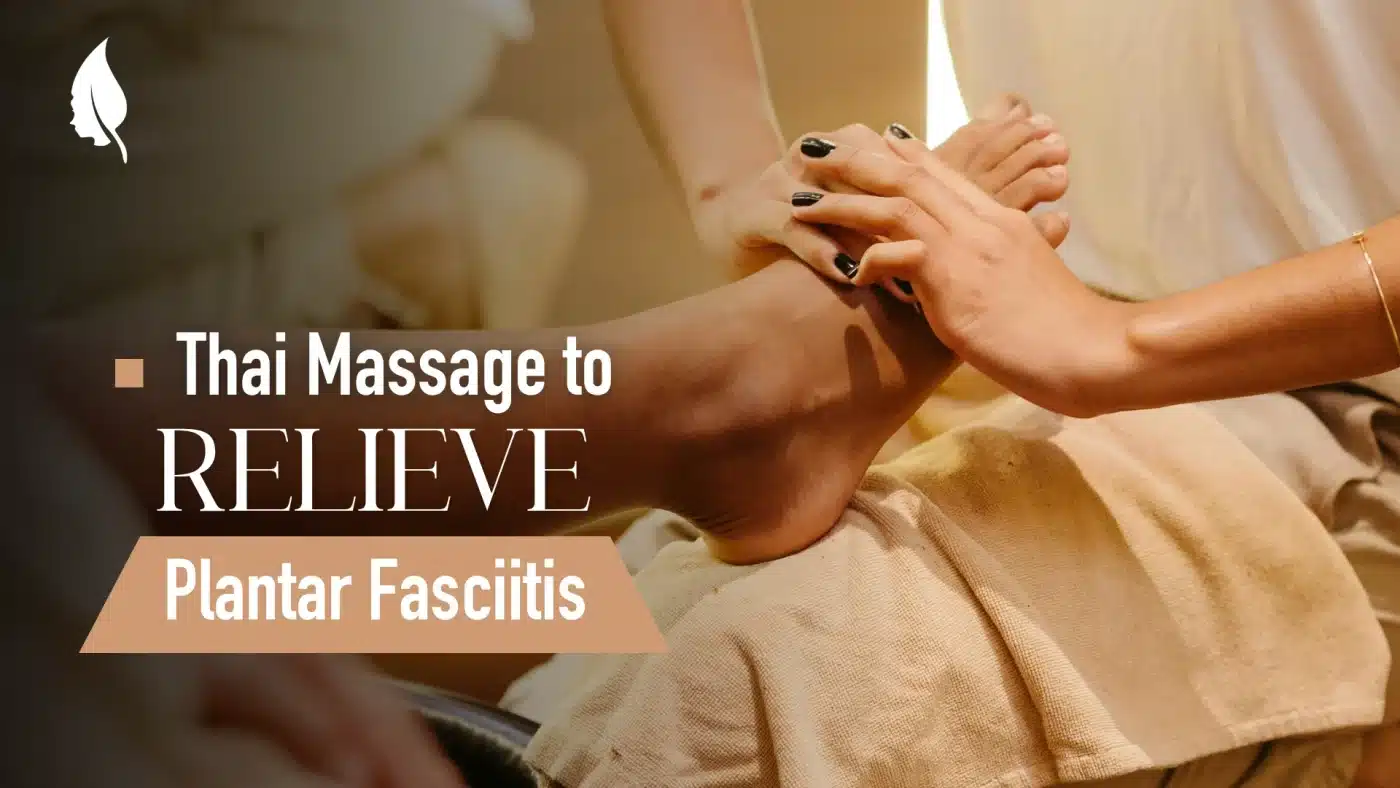
While it’s easy to shrug off foot pain as “just something that comes with age or work,” plantar fasciitis can become debilitating if left untreated. Thankfully, at Opulence Thai Spa in London, we offer a gentle yet effective way to relieve this kind of discomfort: Thai massage for plantar fasciitis relief.
Plantar fasciitis happens when the plantar fascia-a thick, fibrous band of tissue running along the bottom of your foot-becomes inflamed. This band supports the arch of your foot and absorbs shock when you walk or run.
When it’s overused or overstretched, small tears can develop, leading to irritation, tightness, and sharp pain, especially around the heel area. It’s especially common among runners, people who stand all day (like nurses, chefs, and teachers), and those with high arches or flat feet.
While traditional treatment might include rest, ice, stretches, supportive footwear, and orthotics, massage therapy-particularly Thai massage-has become increasingly recognised as an effective complementary approach. What makes Thai massage stand out when it comes to treating plantar fasciitis is its holistic, full-body approach. Instead of just focusing on the foot, Thai massage looks at the bigger picture: tension patterns in the calves, hamstrings, lower back, and hips that may contribute to poor biomechanics and overstress the plantar fascia.
At Opulence Thai Spa, our therapists are trained to understand how interconnected the body really is. A tight calf muscle (gastrocnemius or soleus), for example, can put extra strain on the Achilles tendon, which connects to the heel and pulls on the plantar fascia. In this way, what feels like a “foot problem” might really be a leg or posture issue in disguise.
Techniques
During a Thai massage session, we work not only on the foot itself but also on the surrounding muscles and connective tissue, releasing tightness and restoring proper alignment from the ground up.
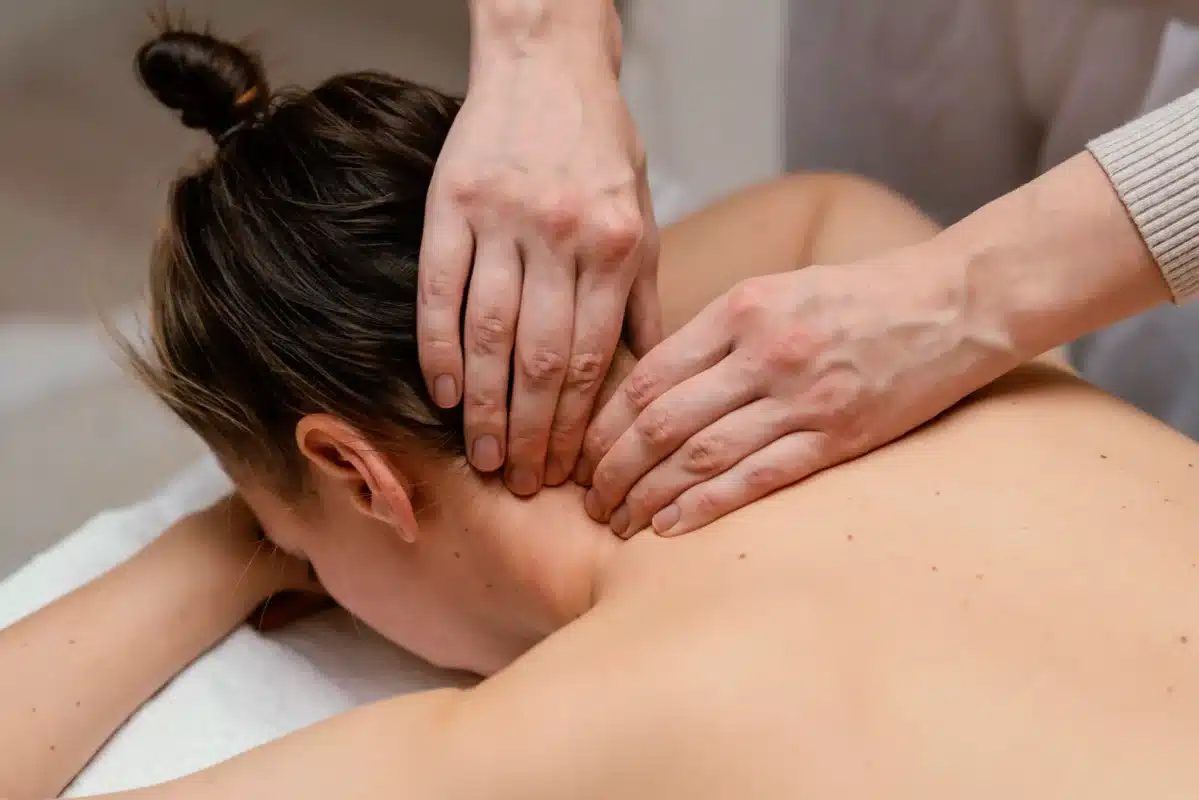
One of the core techniques in Thai massage is compression-using rhythmic pressure from the hands, thumbs, elbows, or even feet to stimulate blood flow and reduce muscle tension. When applied to the sole of the foot and the calf, this pressure encourages circulation to the plantar fascia, which helps reduce inflammation and promotes healing. The increased blood flow brings oxygen and nutrients to the tissue while flushing out metabolic waste products that may contribute to chronic pain.
Another key technique used in Thai massage is assisted stretching. Unlike passive massages where you just lie still, Thai massage involves movement-your therapist may gently stretch your foot, rotate your ankle, or lengthen your hamstrings and calves. These movements increase the flexibility of the lower leg and relieve pressure on the plantar fascia, helping your body relearn how to distribute weight and movement evenly across your feet.
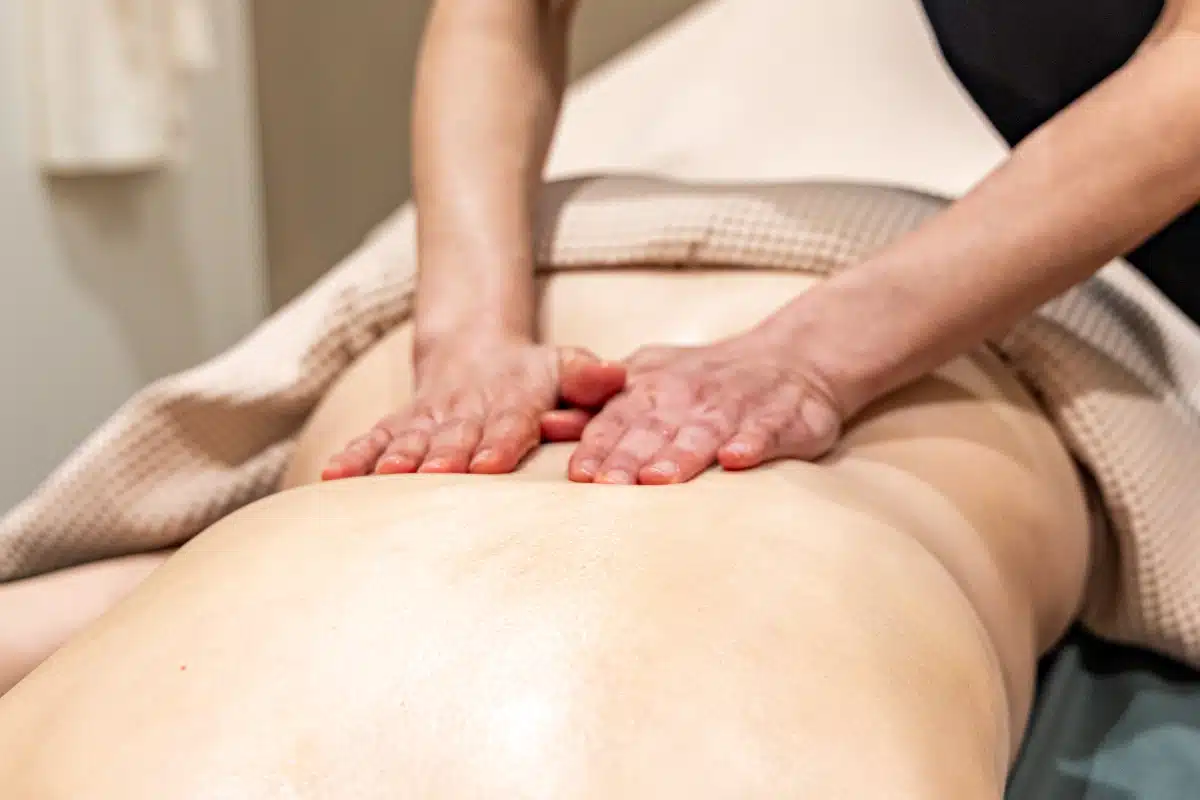
Clients with plantar fasciitis often describe their foot pain as a dull ache during the day and a knife-like jab in the heel in the morning. What’s interesting is that this condition tends to get worse with inactivity-hence the common “first step pain” after waking up. Thai massage, through its dynamic and active approach, helps break this cycle by keeping tissues mobile and encouraging consistent movement without strain. Even better, many clients report immediate improvements after a single session, with sustained results after a series of regular treatments.
Beyond the foot itself, Thai massage also targets the body’s energy lines, known as Sen lines. These are similar to the meridians in Chinese medicine and are believed to carry the body’s life force, or “lom.” In the case of plantar fasciitis, attention is often given to the Sen Kalathari, which runs through the legs and feet. While Western science may not frame these as “energy channels,” the practical outcome is clear: working along these lines addresses myofascial chains and neuromuscular tension that radiates beyond the site of the pain.
Role of fascia
Let’s talk about the role of fascia. The plantar fascia is part of the body’s broader fascial network-a web of connective tissue that wraps around muscles, organs, and bones. Think of it like a body-wide sweater. If one part of the sweater is tugged too tight, it can pull on distant areas. This is why Thai massage, with its deep fascial work and whole-body stretches, is particularly suited to relieving chronic pain conditions like plantar fasciitis. We don’t just focus on the symptoms-we get to the root of the issue.
We tailor each session to your needs-if you’ve just come from a long day of standing, we might start with herbal compresses to warm up the tissues before applying pressure to your calves, Achilles, and soles. If your pain is more intense, we may use gentler techniques at first to avoid overstimulation, building up to deeper work as your body adjusts.

Another underrated benefit of Thai massage for foot pain is its impact on your posture and walking gait. Many clients with plantar fasciitis unconsciously shift their weight to avoid pain, which can lead to secondary problems in the knees, hips, and lower back. Thai massage brings awareness back to the feet and helps retrain the body to move naturally and efficiently again. That’s why we often recommend a few sessions over a month, paired with gentle stretching at home, to get long-lasting results.
Of course, not every case of plantar fasciitis will respond the same way to massage. In severe cases, medical intervention like steroid injections or physical therapy may be necessary. But for many, Thai massage offers a safe, non-invasive, and relaxing way to support healing-especially when used consistently. It’s also a fantastic way to manage flare-ups, relieve stress, and give your feet the care they deserve after years of supporting you.
In a busy city like London, we see so many clients who spend hours commuting, walking, or standing for work. For them, our Thai massage treatments are more than just a luxury-they’re essential maintenance. If you’re dealing with foot pain and wondering whether massage can help, we encourage you to book a massage in London with one of our skilled therapists.