Table of Contents
Tucked away in quiet temples and busy markets, on serene islands and in bustling cities, Thai massage- locally known as “Nuad Thai” or “Nuad Boran”- has been practiced for over 2,500 years. It is a deep spiritual tradition rooted in Buddhist philosophy, Ayurveda, and traditional Chinese medicine. But how did this ancient healing art form come into being? Let’s dive into the captivating origins of Thai massage and discover why it continues to captivate the world today.
A Fusion of East and West
Legend credits the origins of Thai massage to a man named Jivaka Kumarabhacca, known as “Shivago Komarpaj” in Thailand. He was a physician to the Buddha and a respected healer in his time. Jivaka is revered as the “Father Doctor” of Thai medicine, and his name is still chanted in Thai massage schools before practice begins as a form of spiritual blessing.
But Jivaka didn’t invent Thai massage from scratch. He was influenced by Indian Ayurvedic principles, which emphasize the balance of energies (or doshas) in the body. Over the centuries, as trade routes opened and Buddhism spread through Southeast Asia, Thai massage absorbed elements from Chinese acupressure, yogic stretches from India and localindigenous healing practices. This created a unique blend that is both precise and holistic.
Temple Origins: Healing in the Heart of Spirituality
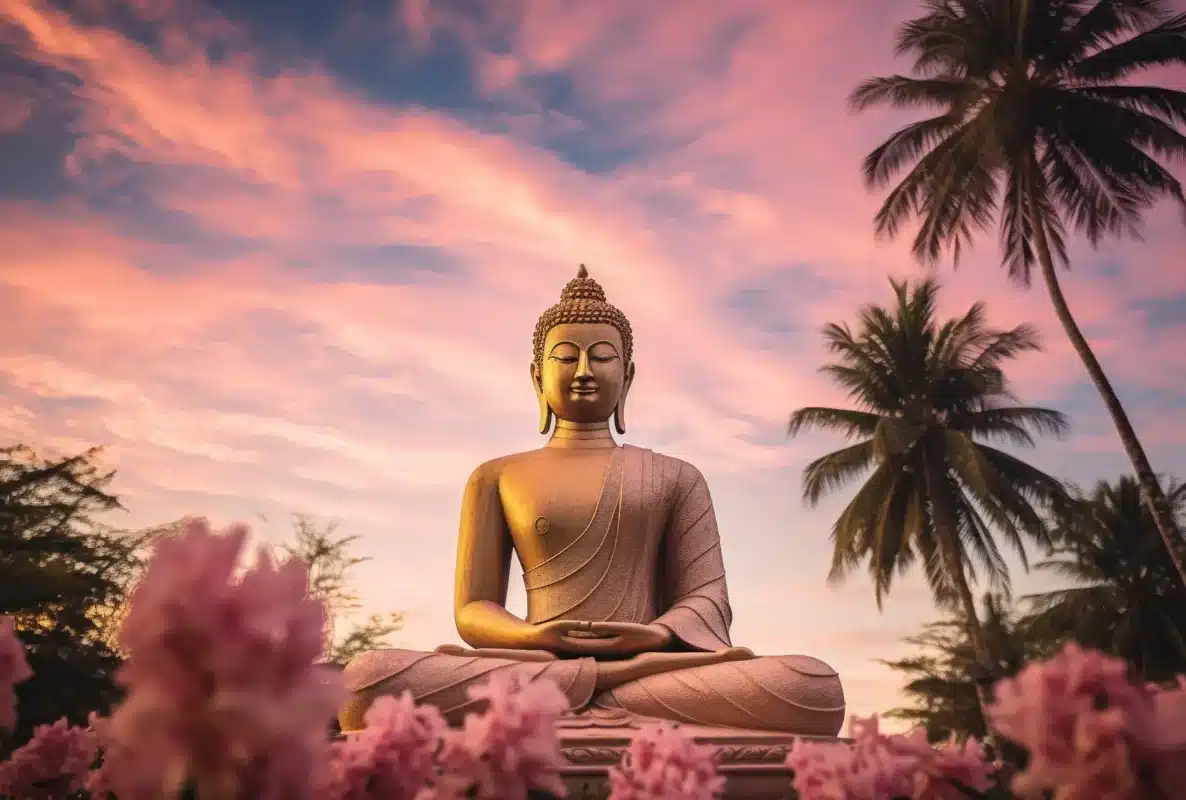
For centuries, Thai massage was practiced primarily in Buddhist temples. It wasn’t considered just a way to ease muscle pain- it was a form of metta, or loving-kindness. Practitioners viewed massage as a spiritual offering, believing the act of healing others generated good karma.
The most famous temple for traditional Thai massage is Wat Pho in Bangkok. Known as Thailand’s first “public university,” Wat Pho has been a centre for medical knowledge since the 19th century. Even today, it houses inscriptions of pressure points and energy lines etched into stone tablets for students to study.
Energy Lines and Sen Pathways
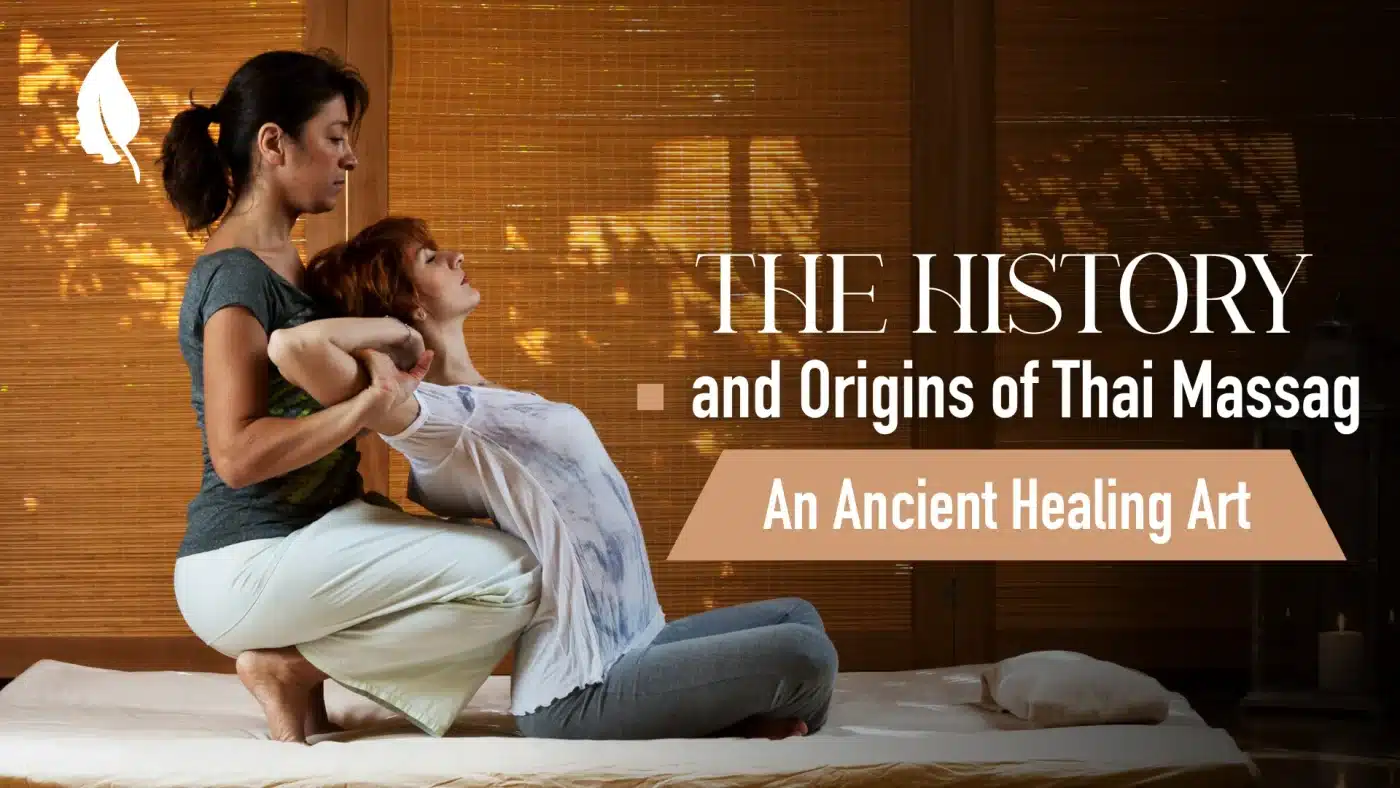
What makes Thai massage different from, say, Swedish or deep tissue massage? It’s the focus on energy lines, known as Sen. According to Thai medicine, the body is crisscrossed with invisible energy pathways. When these are blocked or imbalanced, illness or discomfort can result. Thai massage aims to restore flow through rhythmic compression, deep palm work, and assisted stretches- almost like a dance between giver and receiver.
It’s sometimes described as “lazy yoga” because the receiver lies passively while the practitioner moves them through yoga-like poses. But make no mistake: it’s an active form of healing that takes years to master.
Suppressed, Revived, and Globalized
For a long time, Thai massage remained a temple-bound tradition passed down orally from master to student. But during the modernization of Thailand in the early 20th century, these traditions began to wane. Western medicine gained prominence, and traditional therapies were viewed as backward.
Thankfully, a revival began in the 1980s, spearheaded by Thai royal initiatives to preserve the country’s cultural heritage. Schools began standardizing techniques, the Ministry of Public Health began licensing practitioners, and international tourists started flocking to Thailand not just for beaches, but for its legendary massage therapies.
Today, Thai massage is practiced all over the world- from luxury spas in London and New York to small wellness studios in Berlin and Sydney. In 2019, UNESCO officially recognized Thai massage as an Intangible Cultural Heritage of Humanity, securing its legacy for future generations.
More Than Just Relaxation
Let’s be honest- Thai massage can be intense. It’s not all soft music and lavender oil. Sessions often involve firm pressure, stretching, and joint manipulation that can feel almost like physical therapy. But the benefits go far beyond relaxation.
Numerous studies have shown Thai massage can:
- Improve blood circulation
- Enhance flexibility
- Reduce lower back pain
- Relieve tension headaches
- Boost emotional well-being
Unlike Western massages that focus mostly on anatomy, Thai massage integrates mind and body. Practitioners often meditate before giving a massage, believing that their emotional state directly impacts the energy they transfer to the client.
A Personal Story: My First Thai Massage
I’ll never forget my first real Thai massage. I was in Bangkok, in a tiny street-side massage parlour run by a wiry old woman named Paa. She greeted me with a wai (a respectful Thai bow), led me into a small room with bamboo mats, and began her ritual.
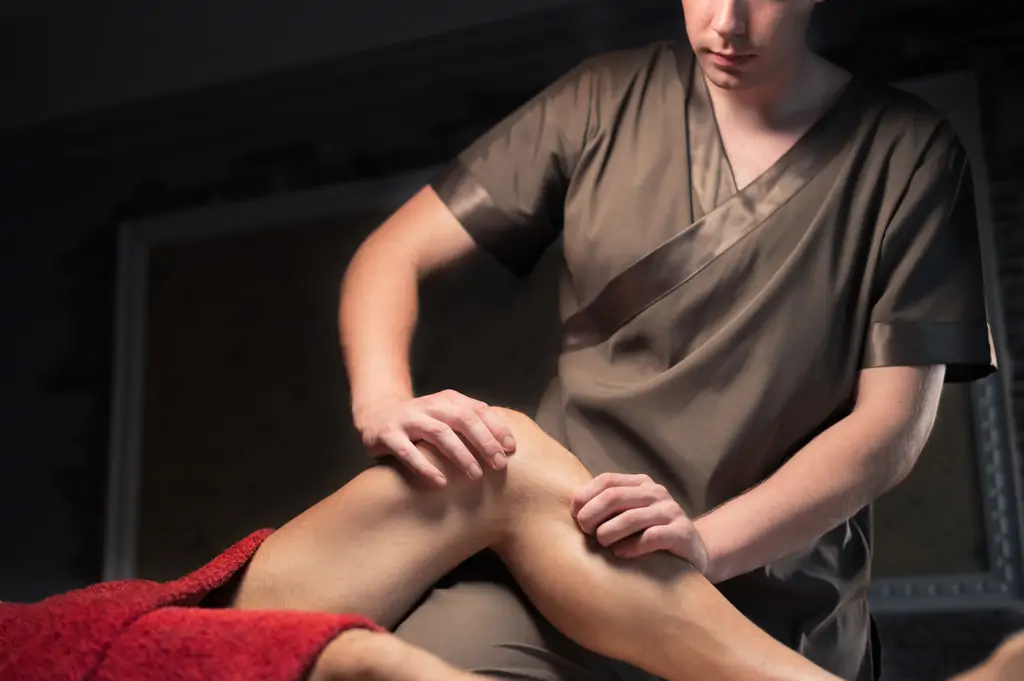
It wasn’t gentle. At one point, she had my leg in the air and her elbow pressing into my thigh while chanting softly under her breath. It felt like an exorcism of stress. But afterward? I felt super relaxed. My spine felt longer. My breath was deeper. My mood was brighter. It wasn’t just a massage, it felt like a realignment of my whole being.
What You Should Know Before Getting One
If you’re curious about trying Thai massage, here are a few helpful tips:
- Wear loose clothing – Unlike oil massages, Thai massage is usually done fully clothed.
- Expect some intensity – Communicate your comfort level. Don’t be afraid to speak up!
- Drink water afterward – Like with all detoxifying treatments, hydration is key.
- Check for certification – In Thailand, look for therapists certified by Wat Pho or the Ministry of Public Health.
Thai massage is a testament to the wisdom of ancient healing traditions. It embodies the belief that health is not just the absence of disease, but a harmony between body, mind, and spirit. Whether you’re looking for relief from a stiff back or a reconnection with your own energy, this ancient art has something profound to offer.
In an era dominated by screens, stress, and sedentariness, perhaps what we need most is to lie down, breathe deeply, and let a skilled pair of hands guide us back to balance- just as they’ve done for centuries.