Table of Contents
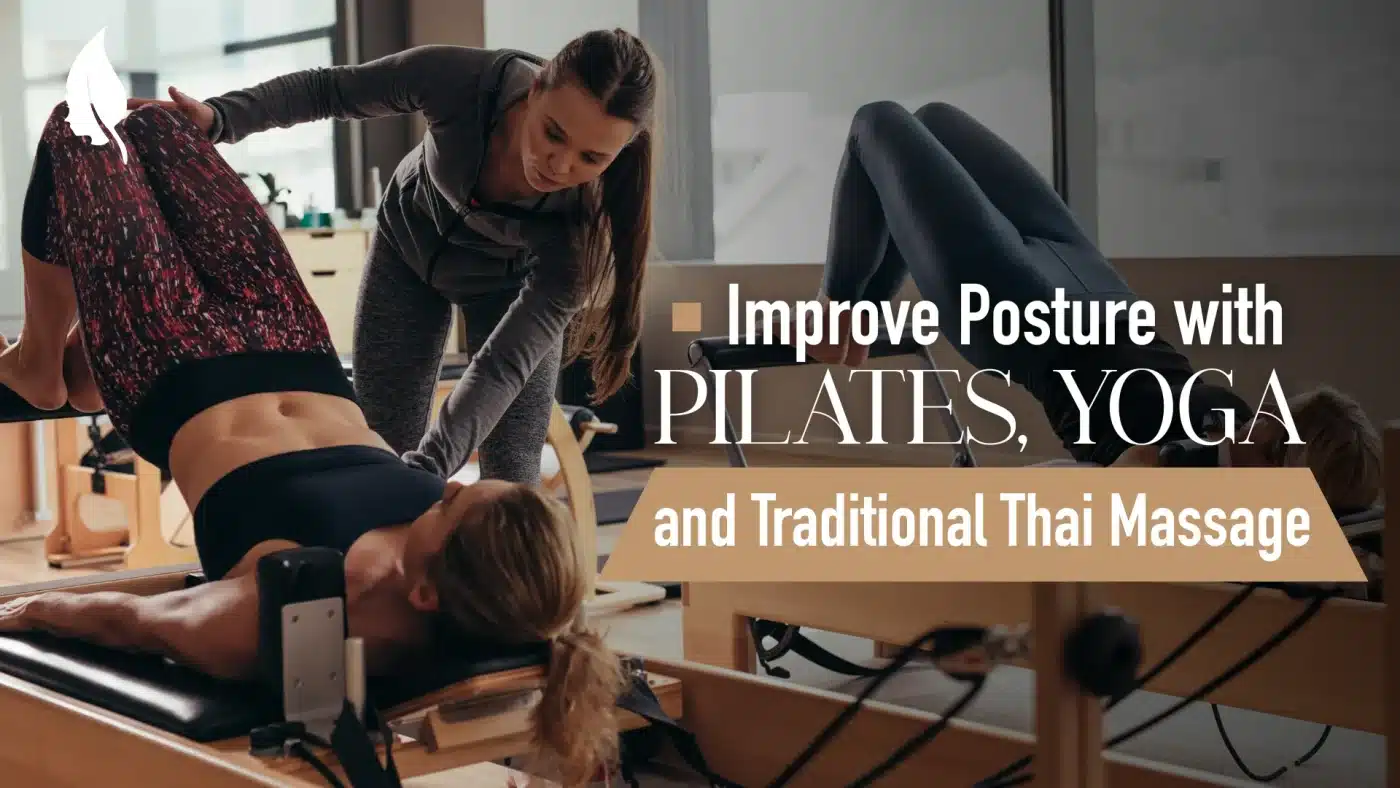
Poor posture is one of the most common problems in modern life, especially for people who sit at a desk or look at screens all day. Slouched shoulders, rounded backs, and tight hips don’t just affect appearance — they can also lead to chronic pain, stiffness, and reduced mobility.
The good news is that posture can be improved naturally. A smart combination of Pilates, Yoga, and Traditional Thai Massage helps correct muscle imbalances, improve body awareness, and restore healthy alignment from head to toe.
Why Good Posture Matters More Than You Think
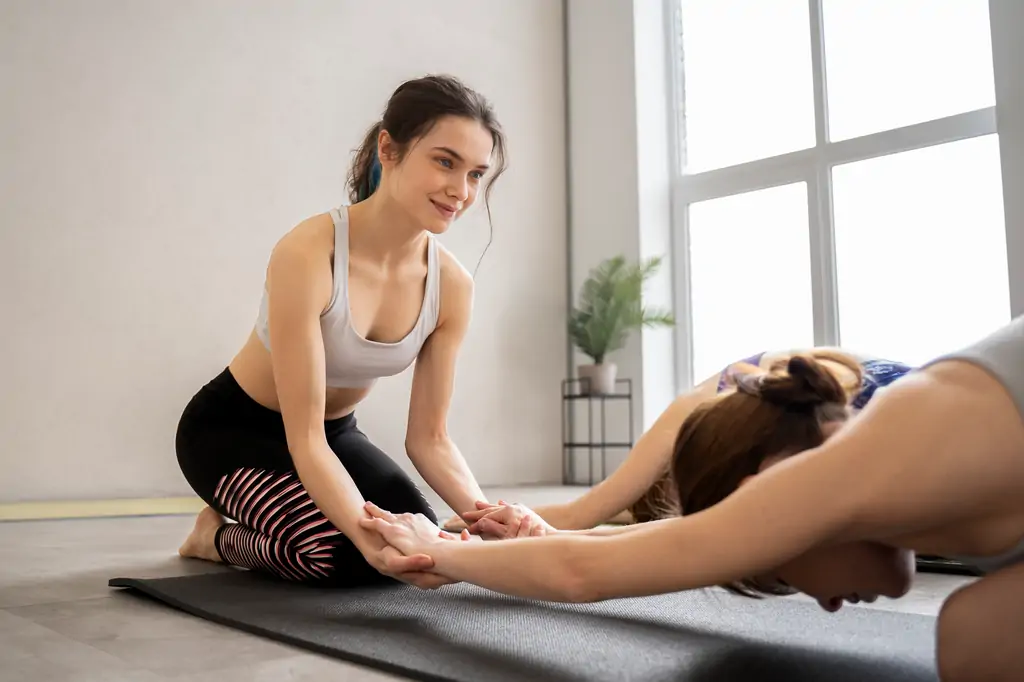
Good posture is not only about standing straight. It directly affects:
- Spine and joint health
- Breathing efficiency
- Muscle balance and flexibility
- Energy levels and confidence
When posture is poor, some muscles become overworked while others weaken. Over time, this imbalance leads to discomfort and limited movement.
How Pilates Helps Improve Posture
Pilates focuses on core strength, spinal alignment, and controlled movement. By strengthening deep core muscles, Pilates provides a stable foundation for the spine.
Posture benefits of Pilates
- Strengthens abdominal and back muscles
- Improves spinal alignment
- Increases body awareness
- Supports long-term posture correction
Pilates is especially effective for people with weak cores and lower back discomfort caused by prolonged sitting.
How Yoga Supports Better Alignment
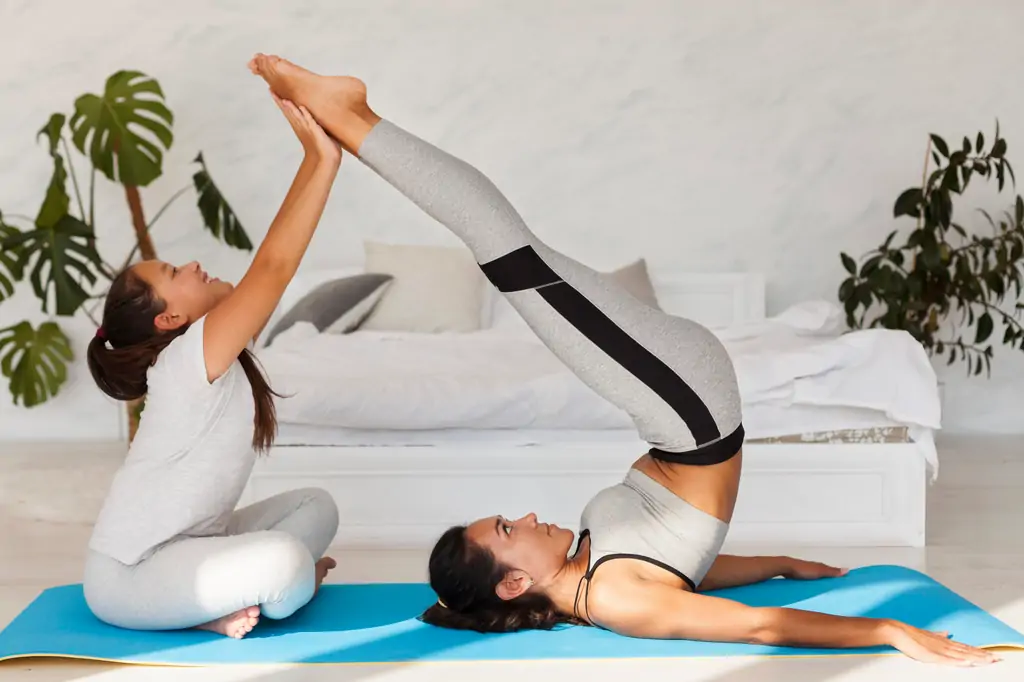
Yoga works through stretching, balance, and mindful movement. Many yoga poses open tight areas such as the chest, shoulders, and hips — common problem zones for poor posture.
Posture benefits of Yoga
- Improves flexibility and mobility
- Opens the chest and shoulders
- Enhances balance and coordination
- Encourages mindful body awareness
Yoga is ideal for reducing stiffness and restoring natural posture through regular practice.
Traditional Thai Massage: The Missing Piece
While Pilates and Yoga rely on active movement, Traditional Thai Massage provides deep, assisted stretching and pressure techniques. It helps release tight muscles and improve joint mobility that exercise alone may not fully address.
Posture benefits of Thai Massage
- Releases deep muscle tension
- Improves spinal flexibility
- Encourages natural body alignment
- Enhances recovery from exercise
Thai massage is often described as “passive yoga” because the therapist guides your body through assisted stretches.
Pilates vs Yoga vs Thai Massage (Posture Benefits)
| Method | Main Focus | Best For Posture |
|---|---|---|
| Pilates | Core strength & stability | Weak core, lower back support |
| Yoga | Flexibility & alignment | Tight shoulders, hips, spine |
| Thai Massage | Assisted stretching & release | Muscle tension & stiffness |
Best results come from combining all three, rather than relying on just one method.
Why Combine Exercise with Thai Massage?
Pilates and Yoga build strength and flexibility, but Thai massage helps the body reset and release deeply held tension. This combination allows muscles to function more efficiently, making posture improvements more sustainable.
Regular massage also prevents muscle compensation patterns that can slow down progress.
Experience Traditional Thai Massage at Opulence Thai Spa, London
For those looking to enhance posture recovery and relaxation, Opulence Thai Spa offers authentic Traditional Thai Massage delivered by skilled therapists in a calm, professional setting.
Why choose Opulence Thai Spa
- Experienced Thai therapists
- Authentic stretching-based techniques
- Ideal complement to Pilates and Yoga routines
- Convenient London location
This is an excellent option for professionals, athletes, and anyone working to improve posture and mobility.

FAQs: Improve Posture Naturally
Q1: How often should I do Pilates or Yoga to improve posture?
2–3 sessions per week can already show noticeable improvements when done consistently.
Q2: Can Thai massage really help posture?
Yes. Thai massage releases tight muscles and improves joint mobility, allowing the body to return to more natural alignment.
Q3: Is Thai massage suitable for beginners?
Absolutely. Therapists adjust pressure and stretches based on your flexibility and comfort level.
Q4: Should I do massage before or after exercise?
Both work well. Massage after exercise is great for recovery, while regular sessions between workouts help maintain flexibility.
Final Thoughts
Improving posture is not about quick fixes — it’s about consistency and balance. Pilates strengthens, Yoga aligns, and Traditional Thai Massage restores. When combined, they create a powerful, natural approach to long-term posture improvement.
If you’re based in London and want to support your posture journey with expert care, a session at Opulence Thai Spa can make a noticeable difference.